
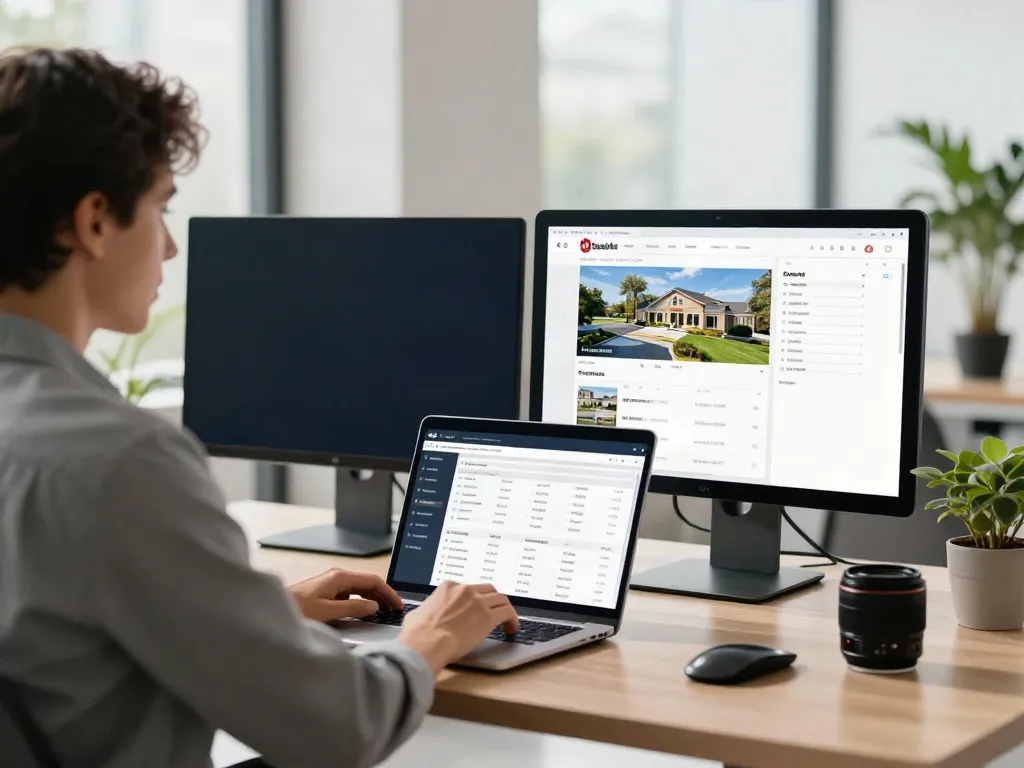
The Importance of Visualizing Properties in Real Estate
In today’s fast-paced real estate market, the ability to visualize properties effectively has become a vital component for success. Buyers increasingly seek immersive and engaging experiences when searching for their ideal homes. Visual content not only enhances the overall presentation of properties but also plays a crucial role in influencing purchasing decisions. As technology continues to evolve, the demand for innovative ways to showcase properties is at an all-time high. Exploring the different facets of property visualization can significantly improve the effectiveness of real estate marketing. For those looking to enhance their real estate offerings, view it through the lens of modern technology is essential.
Why Visual Content Matters for Buyers
Visual content is essential for capturing the attention of potential buyers. The modern consumer has a plethora of options at their fingertips, and engaging visuals can make all the difference. Studies show that listings with high-quality images receive 118% more views than those with standard pictures. Buyers are more likely to trust listings accompanied by professional photographs and engaging videos. This trust translates directly into leads, making visualization a key component of effective real estate marketing strategies.
Challenges in Traditional Property Viewing
Traditional property viewing methods are often limited by geographical constraints and time constraints. For potential buyers, traveling to view multiple properties can be a daunting task that involves significant time and expenses. Additionally, the traditional showing may not always highlight a property's unique features. Many buyers find that they cannot get a true sense of a property until they walk through it, which can lead to dissatisfaction or a feeling of being rushed.
Benefits of Virtual Property Tours
Virtual property tours offer a powerful solution to the limitations of traditional viewings. By providing an interactive, 360-degree view of a property, virtual tours allow potential buyers to explore every corner of a home from the comfort of their own devices. This technology not only saves time but also broadens the market for real estate agents, allowing them to showcase properties to out-of-town buyers or investors. Furthermore, these tours often result in a higher level of engagement, prompting buyers to make decisions more quickly.
Technology that Enhances Property Visualization
Tools and Software for Real Estate Agents
Real estate agents have access to various tools and software that streamline the property visualization process. Platforms like Matterport and 3D Vista enable agents to create immersive virtual tours that potential buyers can navigate freely. These tools enhance user experience and provide a more comprehensive view of the property, capturing layouts, dimensions, and even the ambiance of each space. Moreover, integrating these technologies into marketing campaigns can set agents apart from competitors.
Integrating AI in Property Listings
Artificial Intelligence (AI) is revolutionizing property listings by personalizing the buying experience. AI algorithms analyze user preferences and search behaviors, enabling agents to showcase properties that align with potential buyers' desires. By utilizing AI-driven insights, real estate professionals can refine their marketing strategies, ensuring they present the right properties to the right audiences. This level of personalization increases engagement and builds trust, turning interested browsers into serious buyers.
Future Trends in Real-Estate Technology
As we move further into the digital age, the future of real estate visualization will likely see even more advancements. Technologies such as Augmented Reality (AR) and Virtual Reality (VR) are expected to become common tools in property marketing. These technologies will not only enhance how properties are presented but also allow buyers to visualize their potential within a space. Predictive analytics will further improve market forecasting, enabling agents to make informed decisions and optimize their strategies based on data trends.
Creating Compelling Visual Content
Photography Tips for Real Estate Listings
When it comes to real estate photography, quality is paramount. To create compelling images that attract buyers, consider the following tips: use natural lighting, shoot during the golden hour, and invest in high-quality camera equipment. Additionally, decluttering spaces and staging homes can significantly improve visual appeal. By capturing properties in their best light, agents can ensure their listings stand out in a crowded market.
Video Marketing Strategies for Properties
Video marketing is gaining popularity in the real estate industry, with platforms like YouTube and TikTok becoming vital channels for property promotion. Agents should focus on creating engaging content that tells a story about the property. Using drone footage and walkthroughs can provide unique perspectives that traditional photography cannot achieve. Furthermore, adding background music and professional voiceovers can enhance the viewing experience, making it more memorable for potential buyers.
Utilizing Social Media to Showcase Listings
Social media platforms are powerful tools for showcasing properties. Agents can utilize platforms like Instagram and Facebook to share visual content, engage with followers, and run targeted advertising campaigns. High-quality images, videos, and virtual tours can be easily shared and promoted, reaching a wider audience. Utilizing hashtags and geotags can also enhance visibility, making it easier for potential buyers to find listings in their desired areas.
Understanding Buyer Behavior Through Visuals
Analyzing Engagement Metrics in Real Estate
To gauge the effectiveness of visual content in real estate, it’s essential to analyze engagement metrics. Tracking click-through rates, views, and social shares can help agents understand how buyers interact with listings. Tools like Google Analytics can provide insights into user behavior, helping agents refine their strategies for better engagement. By understanding what resonates with buyers, agents can adapt their content to maximize its impact.
Case Studies: Successful Visual Marketing Campaigns
Real estate success stories often highlight the importance of effective visual marketing campaigns. For instance, a real estate agency that implemented virtual tours saw a significant increase in leads and a faster sales process. In another case, an agent who utilized drone photography to showcase a property’s surrounding landscape attracted a broader audience, resulting in multiple offers. These case studies illustrate how innovative visual content can yield impressive results.
Common Misconceptions Around Property Viewing
Many buyers hold misconceptions about virtual property viewings. Some may believe that virtual tours cannot capture the true essence of a home, or that they are impersonal and unrepresentative. However, with advancements in technology, virtual tours have become highly realistic and engaging. Educating buyers on the benefits of virtual viewings can alleviate these concerns and encourage them to embrace modern viewing methods.
Best Practices for Implementing Visual Strategies
Steps to Optimize Listings for Visual Appeal
To enhance visual appeal, agents should adopt a systematic approach when creating property listings. Key steps include optimizing image sizes for fast loading, using high-resolution images, and ensuring that all visuals are relevant to the property. Additionally, incorporating written descriptions that complement the visuals can provide context, helping buyers understand the unique aspects of each listing.
Real-World Applications of Visual Marketing
Numerous real estate professionals have successfully integrated visual marketing into their strategies. For example, a luxury real estate firm that adopted 3D virtual tours reported a significant boost in engagement and inquiries. Another agency utilizing AR technology enabled potential buyers to visualize changes to a property, such as renovations or new furnishings, directly from their mobile devices. These real-world applications demonstrate the tangible benefits of prioritizing visual content.
Future Predictions for Real Estate Visualization Strategies
Looking ahead, real estate visualization strategies are likely to evolve even further. As technology continues to advance, we can expect to see more immersive experiences through AR and VR. Furthermore, the integration of AI into property listings will enhance personalization, allowing agents to deliver tailored experiences to potential buyers. Real estate professionals who stay ahead of these trends will be well-positioned to succeed in an increasingly competitive landscape.
What is the best technology to visualize properties?
The best technology for visualizing properties includes tools like Matterport for 3D virtual tours, drones for aerial photography, and AR applications that allow buyers to overlay their designs on spaces. These technologies provide comprehensive visuals that enhance buyers' understanding of properties and facilitate decision-making.
How do images affect property sales?
Images significantly impact property sales by influencing first impressions and engagement levels. High-quality visuals can evoke positive emotions and make a property more memorable, leading to quicker sales. Conversely, poor-quality images can deter potential buyers, emphasizing the need for professional visual content in real estate marketing.
What are the benefits of virtual tours?
Virtual tours offer numerous benefits, including increased accessibility, time savings, and enhanced buyer engagement. They provide a convenient way for potential buyers to explore properties without physical limitations, ultimately resulting in a broader audience and quicker decision-making.
Can social media enhance property visibility?
Absolutely. Social media platforms allow real estate professionals to reach wider audiences and engage directly with potential buyers. By sharing high-quality visuals, agents can create buzz and attract interest in their listings, driving traffic and increasing visibility.
What trends should real estate agents follow in 2026?
In 2026, real estate agents should focus on embracing technology such as AR and VR, refining their social media strategies for enhanced engagement, and utilizing data analytics to personalize the buyer's journey. Staying attuned to these trends will be crucial for agents looking to maintain a competitive edge in the industry.